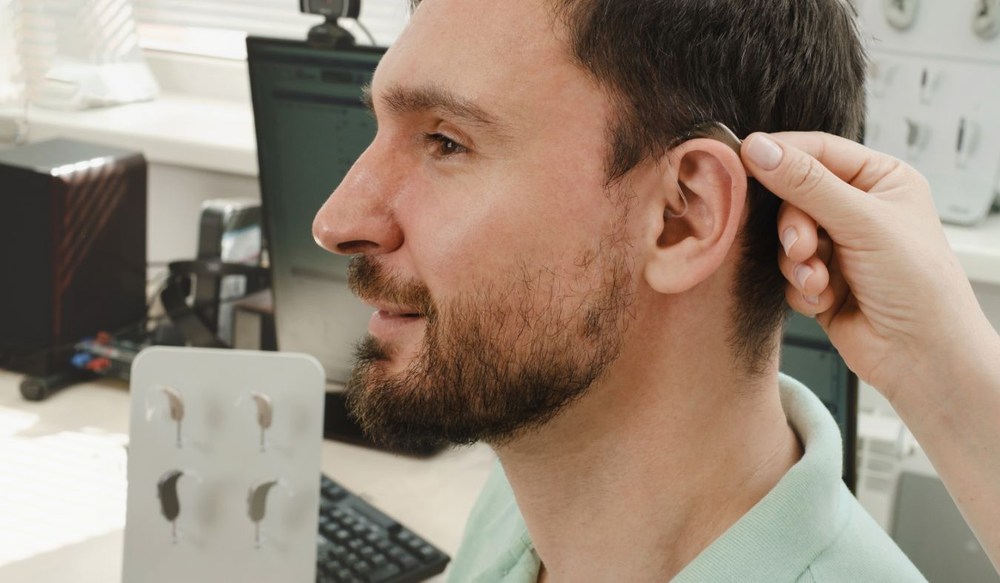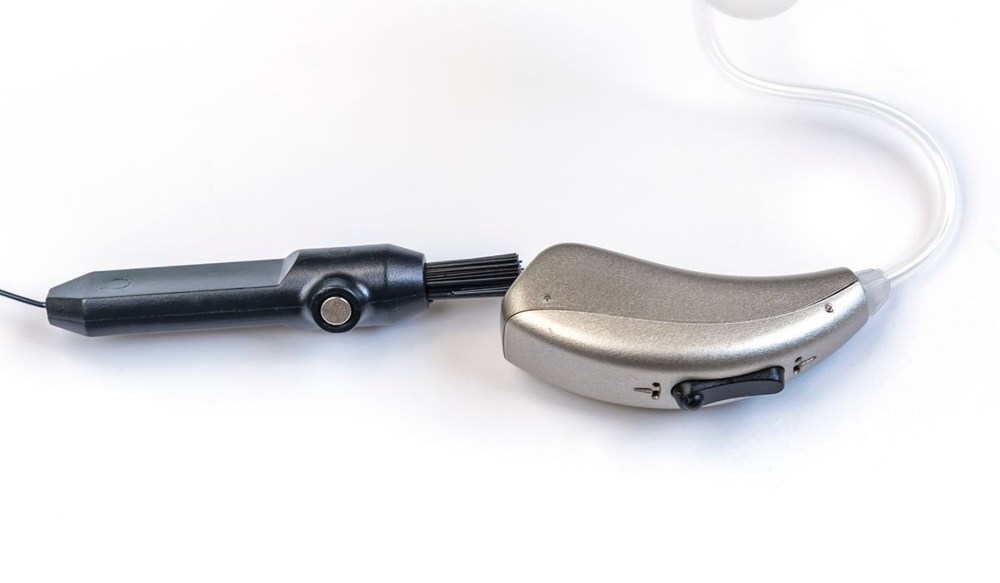
More people are starting to explore over-the-counter (OTC) hearing aids as a new option for addressing mild-to-moderate hearing changes. These devices are available without a prescription, which gives adults the ability to try hearing support in a more direct and flexible way.

For those who have noticed conversations becoming harder to follow or the television needing to be louder, OTC options may seem like a practical first step. As these products become more common, it is helpful to understand how they fit into the overall picture of hearing care and what they can provide.

What Are Over-the-Counter Hearing Aids?

Over-the-counter hearing aids are devices designed for adults with self-perceived mild-to-moderate hearing loss that can be purchased without a prescription or medical exam. They are intended to make sounds louder and clearer in everyday listening situations, like conversations at home or in public spaces.

Unlike traditional hearing aids that are fitted and programmed by an audiologist, OTC devices are self-selected and adjusted by the individual. This means you are responsible for setting them up and fine-tuning the volume or sound settings based on your comfort and needs.

While they can be a helpful starting point for some people, it is important to understand their limits and consider a professional evaluation if hearing concerns continue or seem more complex.

How New Technology is Shaping OTC Hearing Aids

New technology is changing the way over-the-counter hearing aids work and how people use them. Many devices now connect to smartphone apps that guide setup, basic hearing checks and sound adjustments without visiting a clinic.

Some use self-fitting tools that adjust amplification based on simple hearing prompts. Advances in rechargeable batteries and smaller, lighter designs have made these devices easier to wear throughout the day.

As digital features continue to improve, OTC hearing aids offer more ways for people to manage mild-to-moderate hearing changes on their own.

Comparing OTC Hearing Aids and Prescription Devices

Over-the-counter hearing aids and prescription devices both aim to help people hear more clearly, but they differ in how they are customized and managed. OTC devices are designed for general use and can be purchased without an exam, making them accessible for adults with self-perceived mild-to-moderate hearing changes.

They rely on the individual to adjust settings, which can be helpful for simple situations but may not address all listening environments or specific hearing patterns.

Prescription hearing aids, on the other hand, are programmed and fitted to match your exact hearing needs. An audiologist can test your hearing, fine-tune the device for different situations and provide ongoing support to ensure the best possible performance.

This tailored approach often results in clearer sound, better understanding in noisy environments and a more comfortable listening experience overall. For people with more complex hearing loss, prescription devices provide a level of customization and guidance that OTC options cannot match.

Who May Be a Good Match for OTC Hearing Aids

Over-the-counter hearing aids may be a reasonable option for adults who believe they have mild-to-moderate hearing loss and feel comfortable managing the setup process on their own.

They can be a practical starting point for someone who notices occasional difficulty in conversations or while watching television but does not feel ready to schedule a full hearing evaluation. People who are comfortable using smartphone apps and making basic sound adjustments themselves may find OTC devices easier to navigate.

However, individuals with more noticeable hearing challenges, uneven hearing between ears or difficulty understanding speech in background noise are often better served by prescription hearing aids. These devices are professionally tested, programmed and adjusted to match your exact hearing profile.

An audiologist can fine-tune settings over time and address changes as they occur, which often leads to clearer communication and a more consistent listening experience. For those who want a personalized approach and ongoing support, prescription hearing aids typically provide a stronger long-term solution.

Clear Steps to Decide If an Over-the-Counter Hearing Aid is Right for You

If you are considering an over-the-counter hearing aid, taking a structured approach can help you make a thoughtful decision. Start by reviewing your hearing needs and expectations so you have a clear understanding of what kind of support you are looking for.

You may want to consider the following steps:

  • Reflect on how often you struggle to hear and in which situations it happens most.
  • Consider whether your hearing concerns seem mild or if they interfere with daily communication.
  • Decide if you feel comfortable setting up and adjusting a device on your own.
  • Schedule a hearing test to understand your exact hearing levels before choosing any device.

Looking Ahead with Confidence About Over-the-Counter Hearing Aids

The future of over-the-counter hearing aid options is likely to bring more choice, better sound quality and easier access.

At the same time, you will have more responsibility to sort through those choices and match them with your own needs. As new models and features appear, it becomes more important to think about how any device fits your specific hearing pattern, daily routines and long-term goals.

If you are thinking about trying an over-the-counter hearing aid or wondering whether a prescription device may suit you better in the years ahead, schedule an appointment with an audiologist.