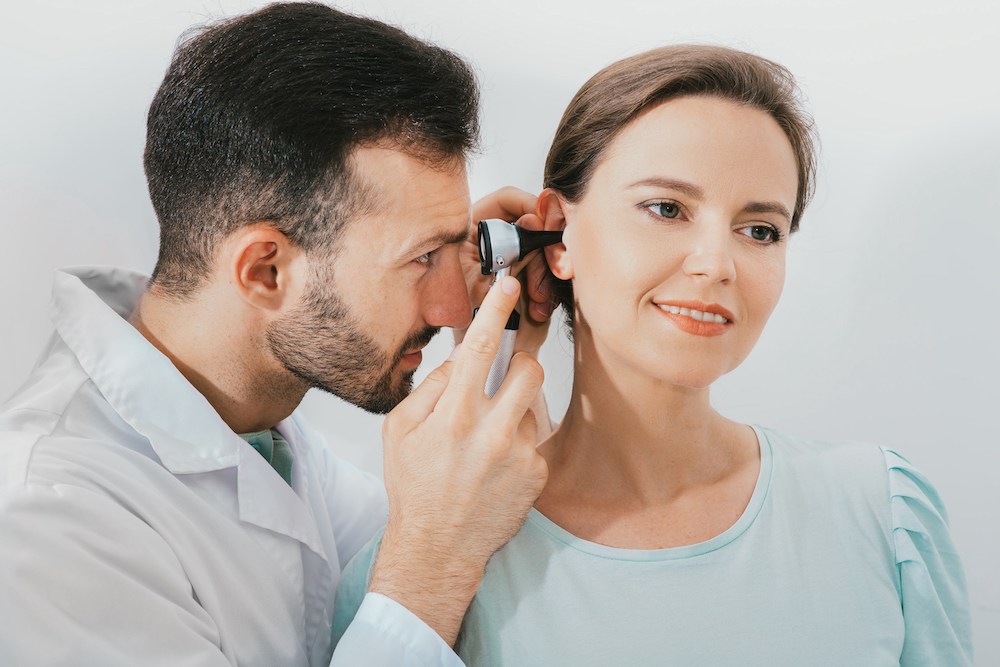
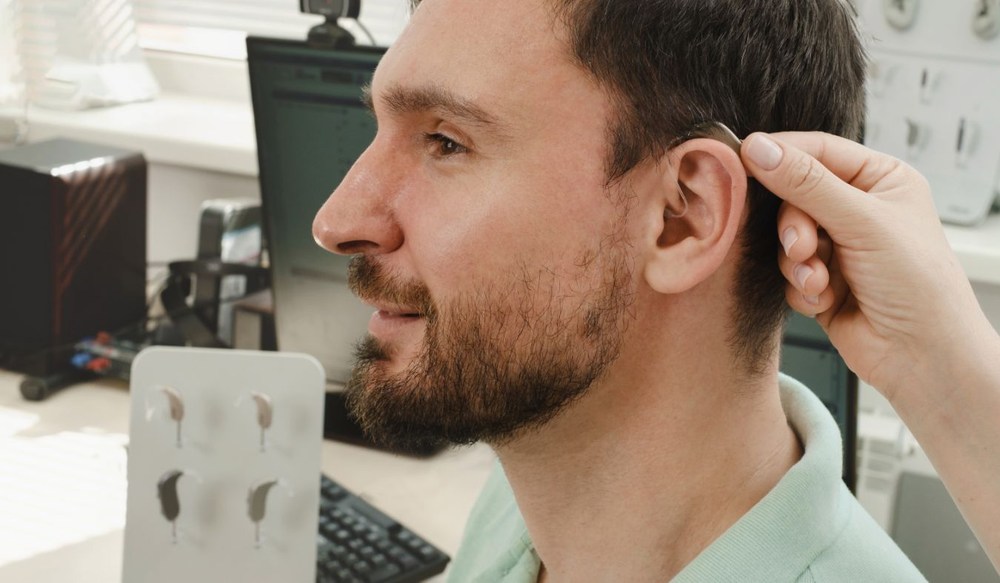
When it comes to checking hearing, children and adults require different approaches. The way a child responds during a hearing test is not always the same as an adult, which can affect how an audiologist measures and understands hearing difficulties. Recognizing these differences ensures each person receives care that matches their needs.

Understanding how hearing tests are designed for different age groups can help you feel prepared if you or your child ever need one. Knowing what to expect can make the process smoother and less stressful, especially for younger children who may not know what will happen next. So, how are hearing tests tailored for children and adults, and what you can do to make the experience positive.

How Hearing Tests Differ for Children and Adults

Hearing tests for children and adults are designed with different approaches because of the unique ways each group responds to sound. In adults, testing often relies on verbal responses, like pressing a button or saying when a tone is heard. These tests focus on measuring how well you hear different pitches and volumes and how clearly you can understand speech in various settings. Adults can usually follow instructions and provide consistent feedback, which allows audiologists to get a detailed picture of hearing ability.

Testing children requires a more flexible and creative approach, since young kids may not always be able to communicate what they hear. Audiologists often use play-based methods, visual cues or observing a child’s natural reactions to sounds to evaluate their hearing. For infants, specialized tests can measure the ear and brain’s response to sound without needing a behavioral response. These techniques ensure that children’s hearing is assessed accurately at every developmental stage, helping identify any concerns early so interventions can begin promptly.

How Age Impacts the Approach to Hearing Testing

Age has a significant impact on how hearing tests are performed. Children may need extra time, patience and specialized tools to help them feel at ease. Adults are usually able to follow directions and respond to sounds or words in a more direct way. Younger children might participate in listening games or receive visual rewards, while adults typically use headphones and press a button when they hear a sound. Matching the testing method to your age, your audiologist ensures you receive results that are clear and helpful for your needs at any stage of life.

The Role of Parents and Caregivers During Children’s Hearing Tests

Parents and caregivers play a valuable role during children’s hearing tests. Your presence helps your child feel secure and less anxious throughout the appointment. The audiologist may ask about your child’s hearing history, speech development or any concerns you have noticed at home or school.

You might be asked to help keep your child focused or comfort them if they become upset. Remaining calm and supportive encourages your child to cooperate, leading to better results.

How Hearing Loss Signs Differ Between Children and Adults

Signs of hearing loss can appear differently in children and adults. In children, you may notice difficulty following directions, delayed speech or a lack of response to sounds or voices. Teachers might mention that your child does not seem to pay attention in class or asks for things to be repeated often. Adults often notice that conversations sound unclear, have trouble hearing in noisy places or frequently ask others to repeat themselves. Recognizing these signs early leads to timely testing and support from an audiologist.

Ways Communication Differs During Testing for Kids and Adults

Communication during hearing tests is tailored to the age of the person being tested. With children, instructions are kept simple and clear, often using short sentences or playful language to help them feel comfortable and understand what to do. Adults usually receive more detailed explanations about what will happen and why certain steps are important. An audiologist may ask adults about their hearing history or any concerns before starting the test.

Challenges That Can Arise When Assessing Children’s Hearing

Assessing children’s hearing can sometimes be difficult, but with the right approach, reliable results are possible. Young children may have trouble sitting still or understanding instructions. Their attention spans are often short, and they may feel uneasy in new environments. Testing children’s hearing early has many benefits, like identifying issues before they affect learning or speech. The main challenges include keeping children engaged and ensuring their responses are accurate. Patience and creativity from an audiologist help make the process smoother for both you and your child.

What Happens During a Typical Child Hearing Test Appointment

During a typical child hearing test appointment, your audiologist will greet you and your child and explain what will happen using simple language. The room is usually quiet, and your child may sit on your lap or in a small chair. Toys, lights or games are often used to keep your child interested while checking their responses to different sounds.

To help the appointment go smoothly, try to make sure your child is well-rested and not hungry before the visit. Bringing a favorite toy or comfort item can also help your child feel more relaxed during the test.

Helpful Ways to Prepare Your Child for a Smooth Hearing Test

Preparing your child for a hearing test can ease their worries and make the experience more positive. Talking to your child about what will happen during the test, using simple words, helps them know what to expect. Practicing listening games at home can make the process feel familiar. Bringing a favorite toy or comfort item to the appointment can also help your child feel safe in a new setting.

When you prepare your child ahead of time, they are more likely to cooperate and follow directions during the test. This helps an audiologist get clear results, so your child receives the right support for their hearing needs.

Hearing Tests for Children and Adults

Hearing tests for children and adults are tailored to each age group’s needs. Children benefit from creative approaches and extra support, while adults typically use more standard methods. Each test is selected to provide results that truly reflect individual hearing abilities.

If you have questions about hearing tests for yourself or your family, schedule an appointment with an audiologist. Early checks can have a meaningful impact on school, work and daily life by identifying changes in hearing as soon as possible.