Hearing loss is a common challenge that many seniors face as part of the aging process. Despite how frequently it occurs, hearing difficulties often go untreated for years, causing unnecessary struggles in daily conversations and social situations. Many older adults don’t realize how hearing loss is affecting their quality of life or may hesitate to acknowledge the changes they’re experiencing.

Helping seniors address hearing concerns early can make a meaningful difference in their overall well-being. When hearing loss goes untreated, it can lead to feelings of isolation and frustration that impact many aspects of life. Understanding the common reasons why treatment is delayed is the first step toward supporting seniors in getting the hearing help they need, allowing them to stay connected to the people and activities that matter most.

Understanding Hearing Loss in Older Adults

Hearing loss is a common condition that affects many older adults, often due to the natural aging process. As people age, the structures in the ear can gradually change, which may lead to a decrease in hearing ability. This type of hearing loss tends to develop slowly, so individuals may not notice it right away. Common signs include difficulty hearing conversations, especially in noisy settings or frequently asking others to repeat themselves. The slow onset of these changes can make it easy for older adults to overlook their hearing difficulties.

For older adults, being aware of the signs of hearing loss is important, as it allows them to recognize when something may be affecting their ability to hear clearly. In many cases, the impact of hearing loss can be subtle at first, making it harder to detect. However, staying aware of how hearing abilities change over time can encourage individuals to seek professional guidance if needed. Understanding the early signs of hearing loss can help older adults maintain better communication and continue enjoying social activities, keeping them more connected with the world around them.

Lack of Awareness

For many older adults, hearing loss can be difficult to recognize because it happens gradually over time. They may not notice the subtle changes in their ability to hear or may dismiss it as just a part of getting older. Because hearing loss can develop slowly, seniors might not realize how much it’s affecting their daily life. They may struggle to follow conversations or miss out on important sounds, but they might not connect these issues with a hearing problem. As a result, they might not seek help until the impact becomes more noticeable.

This lack of awareness often leads to delayed treatment, which can have a negative effect on a senior’s social life and mental well-being. Without understanding that hearing loss is the cause, they may start avoiding social activities, which can make them feel more isolated. Raising awareness about the early signs of hearing loss is important so that older adults can recognize the issue and seek help before it negatively affects their quality of life. By making seniors more aware of how hearing loss affects their interactions and overall health, they can be encouraged to take action and improve their hearing health sooner rather than later.

The Stigma Behind Hearing Aids

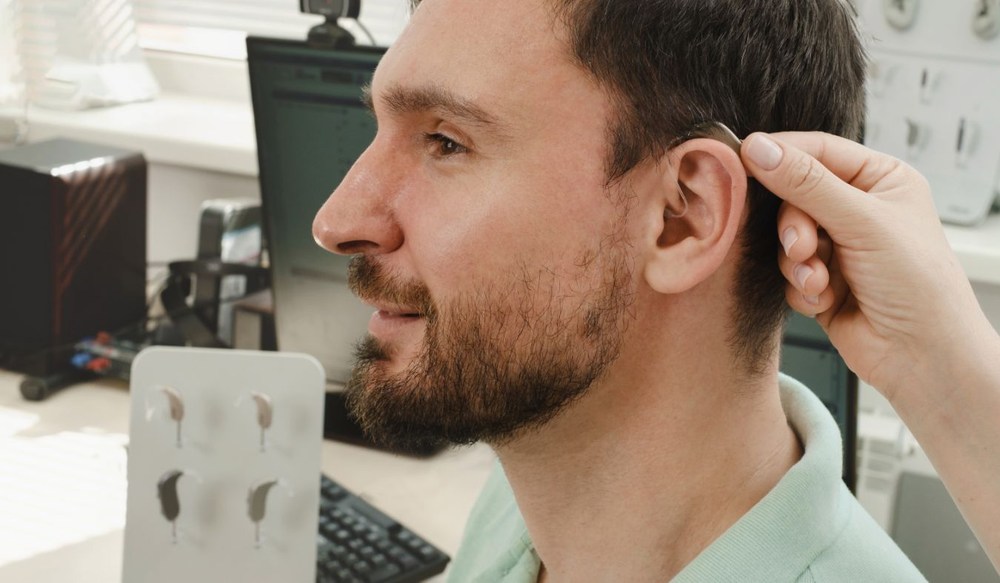
One of the significant challenges to better hearing health is the number of misconceptions that surround hearing aids. These myths can create unnecessary uncertainty, often deterring individuals from seeking the help they need. A common myth is that wearing a hearing aid will make your hearing loss evident to everyone around you. However, modern hearing aids are designed with discretion in mind. Many models are incredibly small and fit snugly inside your ear canal, making them almost invisible to others. Another widespread myth is that using a hearing aid will instantly fix your hearing loss completely. While it’s true that these devices can significantly improve your ability to hear, they don’t restore your natural auditory capabilities entirely; instead, they enhance what you can already hear.

By dispelling the stigma and providing accurate information about how these devices work and their benefits, this can encourage more people to take proactive steps for their auditory health.

How Is Hearing Loss Treated?

Hearing loss can be managed in a variety of ways, with the most common treatment being the use of hearing aids. These devices amplify sounds to make it easier for individuals to hear, and they can be fine-tuned to meet the specific hearing needs of the wearer. For those who need extra support, there are also other tools like amplified telephones and personal listening systems, which can be especially helpful in specific situations like phone calls or one-on-one conversations. In addition to these devices, some individuals may benefit from speech therapy or auditory training, which can help them adjust to new hearing aids or improve their ability to follow conversations. Consulting with an audiologist is essential to find the right treatment and ensure that hearing health is properly addressed.

Few Ways to Support Better Hearing Health

Education is essential in maintaining good hearing health. Understanding hearing loss, its causes and available treatments can help you take control of your hearing and make informed choices. Learning about the different types of hearing loss can guide you in recognizing potential issues early. Regular check-ups with an audiologist are also crucial. These professionals can track your hearing progress over time and offer early interventions if needed. They can also give practical advice on how to protect your ears from further damage, helping you maintain better hearing for longer.

Adopting a healthy lifestyle contributes significantly to better hearing health. This includes eating a balanced diet rich in nutrients essential for ear health, engaging in regular exercise to improve blood circulation and avoiding exposure to loud noises as much as possible.

Taking proactive steps towards understanding and managing your hearing loss can significantly improve your quality of life. It’s not just about addressing the problem; it’s about enhancing overall wellbeing through improved communication and social interaction. If you want to learn more about hearing loss, or which treatments are right for your needs schedule an appointment with an audiologist.