It’s easy to picture getting hearing aids the same way you’d picture buying most things. You pick something out, pay for it and start using it. But there’s quite a bit that happens between a hearing test and wearing hearing aids for the first time.
Your test shows which pitches you hear well and where your hearing drops off. Hearing aids can then be programmed differently across those pitches rather than simply turning up every sound.

A hearing health professional uses your results to choose appropriate devices and program how they respond to sound.

They’ll also account for how the devices fit your ears and where you spend your time listening. That work is a large part of hearing aid dispensing, even though you may not see much of it happening.

Types of Hearing Care Professionals and What They Do

The person fitting your hearing aids may be an audiologist or a hearing aid dispenser. Their training isn’t the same. Audiologists have doctoral-level education in hearing and balance, with training that covers hearing evaluation, diagnosis and hearing aid dispensing.

Hearing instrument specialists focus more specifically on hearing aids and the testing required to select and fit them. Both can program hearing aids based on your hearing levels.

They may also take ear impressions, make adjustments and handle maintenance after you begin wearing your devices. Exactly what each professional can do depends partly on licensing requirements in your state.

Training and Skills of Audiologists Who Test Hearing

Audiologists spend several years learning how the auditory system works and how to measure different parts of hearing. Their clinical training includes pure-tone testing, speech testing and other procedures used to identify the type and degree of hearing loss.

They also learn to interpret audiograms rather than looking at a single test score. That matters because two people with similar thresholds may understand speech very differently.

Role of Hearing Aid Dispensers in Your Ongoing Care

A hearing aid dispenser works specifically with the selection, fitting and use of hearing aids. After dispensing your devices, they continue working with you as you use them in different listening situations.

They can adjust the programming when certain frequencies need more or less amplification. Physical changes matter as well. A dispenser may replace domes or tubing, remake an earmold or address a device that no longer sits correctly.

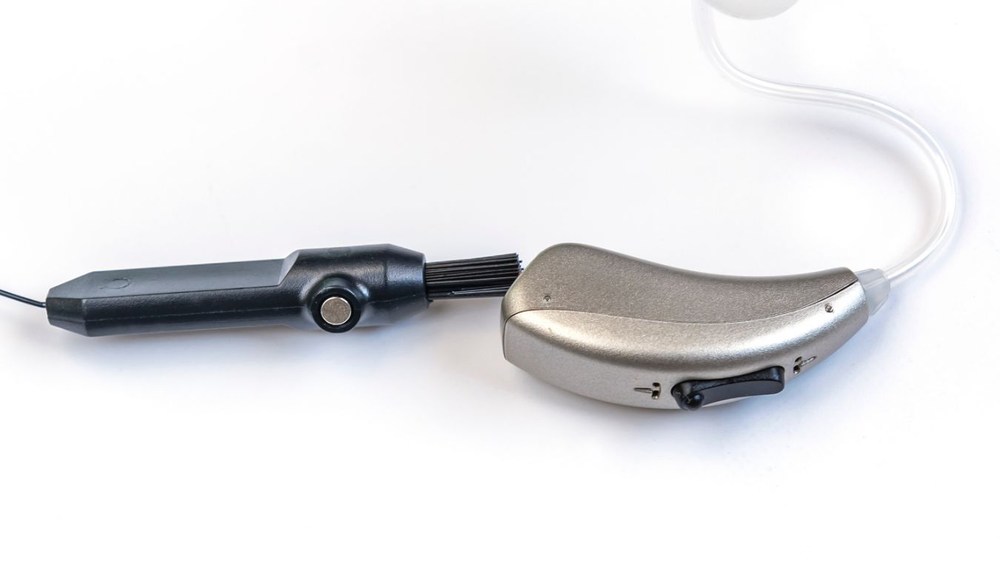
They also check microphones, receivers and other components when performance changes. As your hearing changes, updated test results may require different programming or a discussion about whether your current devices still meet your hearing needs.

How Hearing Aids Are Matched to Your Lifestyle and Needs

Choosing a hearing aid involves more than matching the device to an audiogram. An audiologist or hearing aid dispenser will ask where you spend your time and which situations give you trouble.

Someone in frequent group conversations may have different priorities than someone who mostly talks with one person at a time. Phone use, television and time spent outdoors may also influence which features are considered.

Your comfort with smartphone controls or manual adjustments comes into the discussion too.

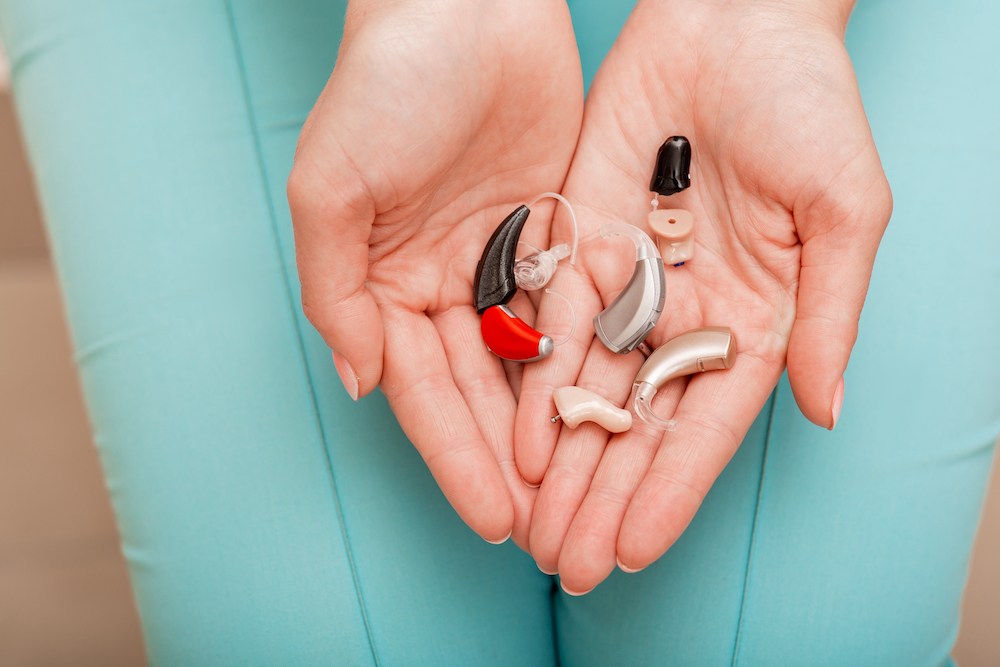
These details are considered alongside your hearing levels, ear anatomy and ability to handle small controls or batteries. The dispenser then uses that information when selecting the style, features and fitting setup for your devices.

Smart Questions to Ask When Choosing Your Hearing Care Team

Before choosing who you’ll work with, ask about the parts of hearing aid care that will happen before and after the fitting. A few questions can tell you what to expect:

  • Who will perform my hearing test and explain the results?
  • Who will select, fit and program my hearing aids?
  • How will you verify that the hearing aids are programmed for my hearing?
  • What happens if the devices need adjustments after I start wearing them?
  • Who handles cleaning, repairs and replacement parts?
  • How often are follow-up appointments typically scheduled?
  • Will I work with the same professional at future visits?
  • What should I do if my hearing changes while I’m using these devices?

Choosing Hearing Care That Fits Your Life

Once you start wearing hearing aids, you’ll have a better sense of what needs attention. A setting that sounded comfortable in the office may need adjusting after a week of conversations, errands and time at home.

That’s why the person dispensing your hearing aids remains involved after you leave with them. Those later appointments are where your experience wearing the devices becomes part of the fitting.

Whether you work with an audiologist or hearing aid dispenser, you should know who’s responsible for each part of your care. Ask how adjustments are handled and who you’ll see when your hearing or devices change.

You’ll be returning to that person for more than the initial fitting, so those details are worth discussing from the beginning. If you aren’t sure what type of hearing care you need, schedule an appointment to talk through your options.